Bangladesh is marching on a dark path. The country is increasingly resembling Pakistan, and Afghanistan.
A comment that should have evoked wide condemnation globally, particularly from journalists, feminists, and other leaders has slipped down the cracks quietly, very quietly. Bangladesh chief advisor and Nobel laureate, Prof. Yunus’ remarks asking deposed PM Hasina “to keep quiet” sounded harsh, uncharitable and undiplomatic. His exact words: “If India wants to keep her until the time Bangladesh wants her back, the condition would be that she has to keep quiet… Had she been quiet, we would have forgotten it… But sitting in India, she is speaking and giving instructions. No one likes it”.
Yunus’ words seem like a combination of mansplaining and rebuke. Yet his advice “to keep quiet” has not evoked editorials, outrage, and anger. Maybe because Hasina is on the losing side. Maybe because she is perceived to be anti-West. Maybe she showed courage to chart out her path in a partisan and hostile multi-polar world. The world revels in hypocrisy.
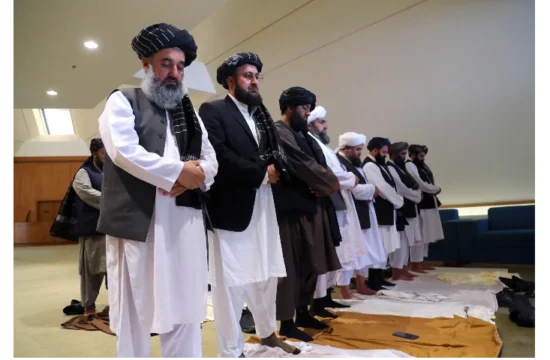
His statement reminds one about the Taliban, which in a recent diktat to women asked them not to raise their voices in public. Prof. Yunus’ ‘advice’ to Hasina and the Taliban instructions to women happened within days of each other. The Taliban had already invisiblised girls and women over the past three years – don’t work, no education, don’t step out of home, and wear the burka properly.
The other part of his statement where he mentions India is distasteful, where he seems to be ordering its friendly neighbour as if the much bigger and benign country will be at the beck and call of the Bangladeshi chief advisor who heads an interim government in the aftermath of the ‘student-led coup,’ that was liberally fed by the Islamist sentiment. Such statements go against the diplomatic grain and will cause more harm than good between two neighbours that have enjoyed close cultural, economic and diplomatic ties until now. These surely are likely to see strain in days to come.
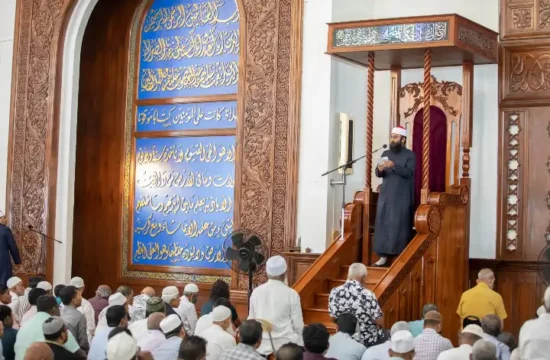
Yunus’ hectoring of Hasina is percolating among the Bangladeshi society. Hindus are told to observe their festivals in particular ways and Jamat-e-Islami is asking girls to wear burkas.
Last week, a boy Utsav Mandol was lynched by a mob inside a police station over allegations of blasphemy. The security personnel allowed the mob to beat the youth to death. The incident mirrors mob justice in Pakistan. Just two days back, a Pakistani policeman shot dead a man accused of blasphemy inside a police station in Quetta. Blasphemy allegations in Pakistan target minorities and foreign nationals. Now we see the same happen in Bangladesh.
Last year a Chinese engineer working on the Dasu dam project was surrounded by a Pakistani mob. Witnessing the sensitive situation, the army air-lifted the Chinese in a helicopter, saving the country from major international embarrassment & Beijing’s umbrage. In 2022, a Sri Lankan was lynched by his factory workers in Sialkot. This year a Christian man was killed over blasphemy and his property burnt down in Sargodha.
Bangladesh had a tough history – it was born out of a genocide committed on its women by the Pakistani Army. Then its founding father Sheikh Mujibur Rahman’s family was assassinated. Military coups followed. This churn of events will shape Bangladesh and impact South Asia.
A person the stature of Yunus can stabilise the country but the path ahead is dangerous. Rising radicalism is going to bite Bangladesh just like Afghanistan and Pakistan. And Yunus has wittingly or unwittingly allowed himself to do just that.
Also Read: Communal violence: 1068 houses and business establishments attacked
This article was first published on LinkedIn