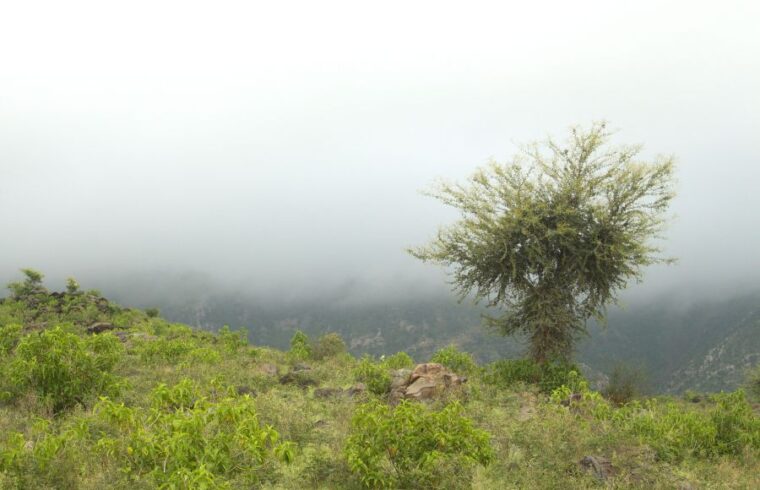
The Aravallis are finally getting the attention denied to them for decades. One of the oldest ridges in the world, the nearly 700-km Aravalli mountains could have been a UNESCO natural heritage site for vintage reasons. Instead, the Aravallis have been ravaged for real estate projects as well as mining for marble and construction materials. None of the four states, Delhi, Haryana, Rajasthan and Gujarat, and various central governments made an effort to conserve the Aravallis and the flora and fauna within. Our governance never thought of making a pitch for these mountains to be converted into a natural heritage site as that would have led to a ban on natural resource exploitation of one of the oldest natural habitats in the world.
The Aravallis link the Indian capital through Haryana and Rajasthan to Gujarat. They provide water to Delhi and keep half of Rajasthan lush green and fertile due to the rains that they bring to the region. Unsheltered by the mountain range, the other half of Rajasthan remains a desert. For Delhi, the Aravallis situated on its south and south-west created the Sahibi river, which now flows as the Najafgarh sewage drain, that fed the Yamuna on the city’s north-eastern fringes with water. Besides providing water, for Delhi the Aravallis also serve as a natural barrier to desertification from Rajasthan and provide several natural spots for sporting activities in and around Delhi.
The Aravallis are a repository of India’s natural and built heritage with several wildlife sanctuaries, sacred groves as well as numerous forts and castles. Among several species of wild animals, they provide shelter to the tiger, leopard, and the blackbuck.
Intricately linked to the Aravallis is the story of waterman Rajendra Singh, who set up the NGO, Tarun Bharat Sangh (TBS). Not an armchair environmentalist, Rajendra Singh has revived rivers and ponds in Rajasthan with local people, inculcating a voluntary spirit among resident villagers. One of his foremost instruments to revive water bodies and restore natural vegetation has been the use of check dams which have helped restore groundwater levels as well.
He has also filed public interest litigations to ban mining in the Aravallis, taking on powerful politicians and businessmen. Rajendra Singh’s work has led to strengthening of local communities, making them resilient to droughts, and has helped revive traditional water harvesting methods in Rajasthan and beyond.
Hopefully, Prime Minister Narendra Modi’s initiative, the Aravalli Green Wall Project, will restore ecology and conserve the mountain chain. This should also help in protecting wildlife, creating employment, making villages and agricultural communities resilient to climate change and extreme weather patterns.